Education
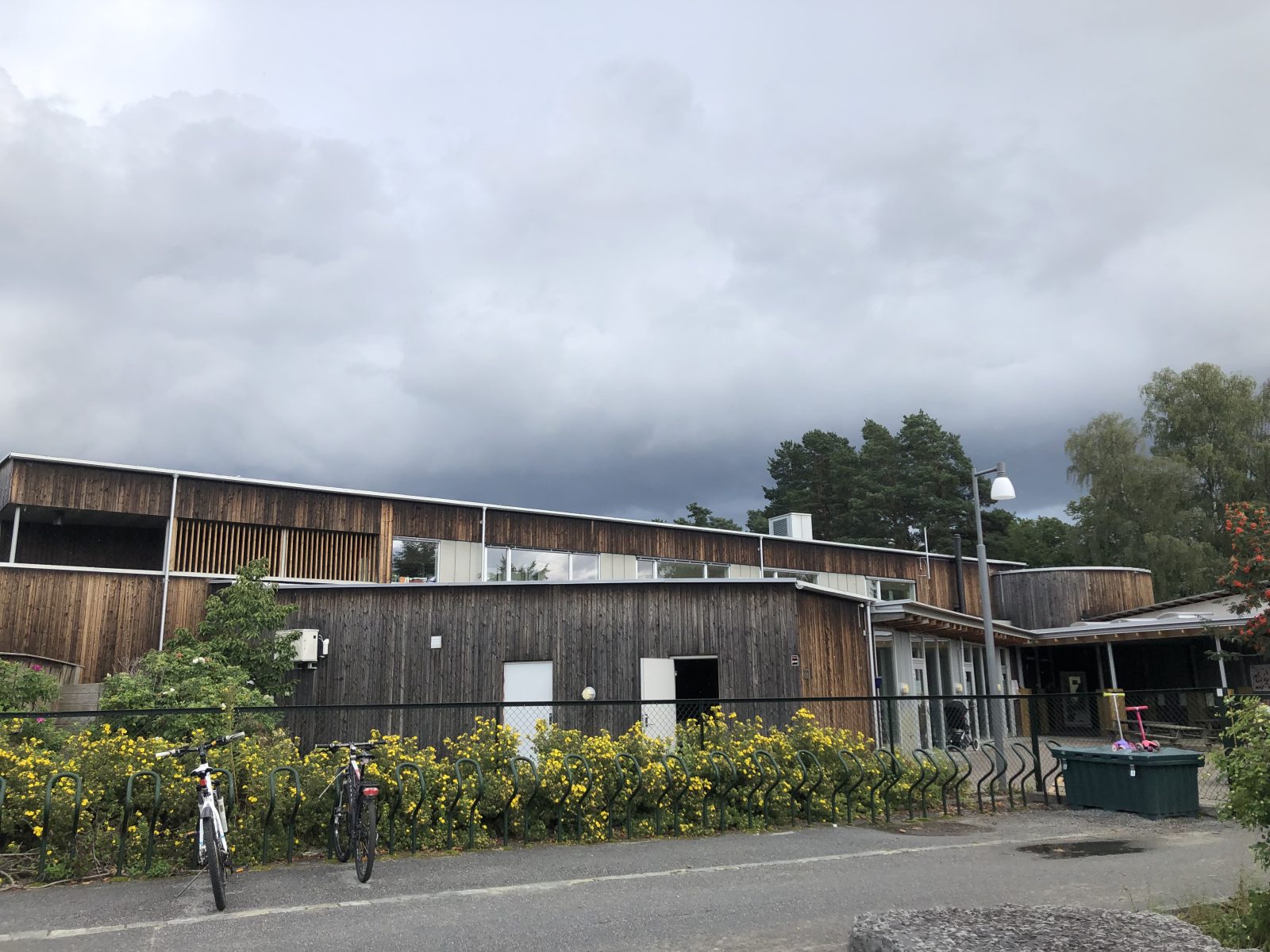
When children reach school age in Norway, grunnskole (primary + lower secondary, grades 1–10) becomes both a right and a duty. For immigrant families, the practical confusion often comes from timing, paperwork, and school placement rules.
Children have a right to primary and lower secondary education when it is likely the child will stay in Norway for more than three months. The municipality must fulfil the right as quickly as possible.
Children have a duty to participate in grunnskole from the year they turn six, through completion of grade 10. For children who move to Norway, the duty generally kicks in once the child has been in Norway for three months.
The municipality is responsible for making sure the right to education is met. In practice, this means you should contact the municipality if you are not offered a school place quickly.
Norway uses a “near-school principle” (nærskoleprinsippet): pupils generally have the right to attend the school in their local area. The municipality can set catchment areas (school zones) through local regulations, but these must respect the near-school principle.
Private education at home exists, but it is regulated and the municipality must be able to supervise. If there is no cooperation with supervision, it can be considered unlawful. Treat homeschooling as a legal process, not a casual choice.
Do Better Norge note: Schooling is where “system power” often meets family life. Written communication and clear dates protect you from slow processing and misunderstanding.
React & Share

No comments yet. Be the first to start the conversation.