Independent advocacy · Norway · since 2019

Standing with families navigating Norway's legal system.

Do Better Norge provides legal knowledge, AI-powered tools, community support, and reform advocacy for families facing custody battles, Barnevernet interventions, and a system that can feel impossible to navigate alone. Free to join. In four languages.

Interactive Guides

Know your rights. Fight back with facts.

These guides were built for parents navigating Norway's family law system β€” from decoding legislation to confronting Barnevernet, from mastering document requests to taking a case to the ECHR. Free. No lawyer required.

Courtroom gavel Interactive Guide

Decoding Barnelova Β§ 30 & Β§ 42: A Strategic Defense Guide

The two paragraphs that decide custody and contact. A line-by-line breakdown of what they mean β€” and how to use them to protect your rights in court.

Read guide
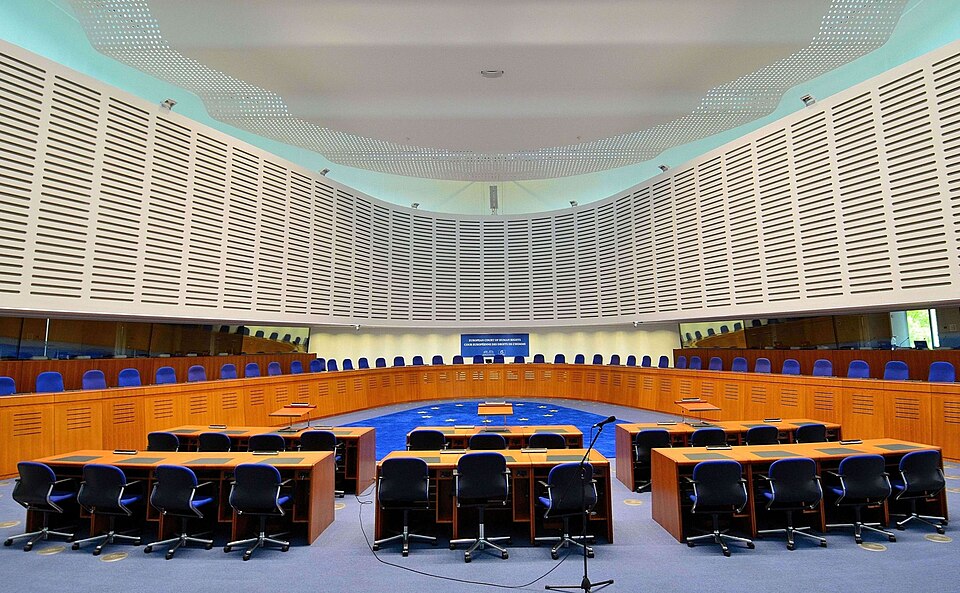
ECHR courtroom Interactive Guide

Parental Rights Guardian: ECHR Art 8 & Alienation Report

When Norwegian courts fail, the European Convention points the way. A complete guide to Article 8 applications, precedents, and alienation case law.

Read guide

Sinnataggen β€” Angry Boy, Oslo Interactive Guide

THE SYSTEMIC BIAS: Immigrant Families vs. Barnevernet

The data is clear: immigrant families face removal at disproportionate rates. This report exposes why β€” and what it means for your case.

Read guide

Riksarkivet Oslo Interactive Guide

Mastering "Innsyn" without a Lawyer

You have the right to see every document in your case file. This guide walks you through how to demand full access β€” step by step, no lawyer needed.

Read guide

Council of Europe, Strasbourg Interactive Guide

The Sovereign Overreach: A Definitive Legal Analysis of Norway’s Conflict with International Family Rights and Article 8 of the ECHR

A legal analysis of how Norway's family law practices collide with international treaty obligations β€” and what the evidence shows.

Read guide
Protest against Barnevernet, Sofia Interactive Guide

Systemic Disparity and the Erosion of Parental Rights: An Exhaustive Analysis of the Norwegian Child Welfare Framework for Immigrant Families

Thousands of families across Europe have protested. This report presents the case: who is affected, how, and what the patterns reveal about the system.

Read guide
New investigative series

Oslo Syndrome

The Legal Brainwashing of Children in Norway

A document-led series following an anonymized real case as it unfolded, and as it continues to unfold. We are tracing the moments where legal language, institutional pressure, and controlled contact can teach a child that separation is normal.

Names, child identifiers, and sensitive case details are withheld until publication clearance. The anger belongs in the evidence.
AI Legal Tools

Legal AI built for families in Norway.

Search Norwegian family law, Lovdata, and ECHR cases in plain language. Get answers to your specific situation from a trained legal AI. Free to register β€” AI tools open via waitlist.

Free account Β· No payment required Β· Instant access to AI tools

AI Legal Research

Search Norwegian law in plain language.

Search family law, Lovdata, and ECHR cases without legal training. Get the law that's relevant to your situation surfaced for you.

Ask the Legal AI

Get answers built around your case.

Ask questions about your specific situation and get plain-language answers from a legal AI trained on Norwegian family law.

Supportive Community

Connect with people who understand.

Share experiences, find others in similar situations, and build the network that makes advocacy possible.

Legal Lookup (Beta)

Search 220,000+ source-cited legal documents.

Powered by Norwegian law AI β€” verified answers, no hallucinated citations. Built by Gilligan Tech Inc.

See how it was built →
Family rights Β· Norway Β· since 2019

They took her child in twelve minutes.

Petition

Sign our petition for family-rights reform.

Add your name and help show that Norwegian family-rights reform has visible public support.

Sign the Petition
Start Here

Three clear journeys for families, supporters, and advocates

Pick the route that matches what you need today. Each path is designed to reduce overwhelm and make the next step obvious.

I Need Help Now

Start with immediate guidance and the next practical step.

For parents and families in an active custody, contact, or child-welfare situation who need structure, not noise.

  • Go straight to practical guides
  • Find contact and reporting options
  • Reach official resources quickly
Understand My Rights

Learn the legal landscape before your next step.

For people who need to understand custody, contact rights, Article 8, Barnevernet issues, and the wider legal framework in Norway.

  • Read featured legal guides
  • Use the knowledge base and resources
  • Study with videos and flashcards
Support Reform

Turn concern into visible, practical support.

For supporters, allies, parents, and professionals who want to back reform, grow the movement, and keep pressure on the system.

  • Sign and share the petition
  • Read the case for reform
  • Join the community and stay involved
Help Now

When the case is active, start with the shortest route to action.

These links are meant to reduce overwhelm and get you to the most useful starting points quickly.

Use the step-by-step guides

Work through structured legal and case-navigation guides built for families facing complex processes.

Go to Interactive Guides

Contact or report a case

Reach out directly or submit case information so the organization can understand what families are facing.

Open Contact Page

Check official and legal resources

Move quickly into supporting documents, legal references, and external materials relevant to your case.

Open Resource Library
Breaking the Cycle: Understanding and Resolving Child Contact Refusal Process

Breaking the Cycle: Understanding and Resolving Child Contact Refusal

<!-- Infographic Module: Understanding Contact Refusal --> <div class="dbn-infographic-module" style="font-family: 'Segoe UI', Roboto, Helvetica, Arial, sans-serif; background: linear-gradient(135deg, #f9fafb 0%, #ffffff 100%); border-left: 6px solid #1976d2; padding: 30px; border-radius: 8px; box-shadow: 0 4px 16px rgba(0,0,0,0.1); margin: 25px 0;"> <header style="margin-bottom: 20px;"> <h2 style="color: #1a1a1a; font-size: 1.75rem; font-weight: bold; margin: 0 0 10px 0; line-height: 1.3;">From Rejection to Reconnection: A Comprehensive Framework for High-Conflict Family Dynamics</h2> <p style="color: #555; font-size: 1.05rem; line-height: 1.7; margin: 0;">This infographic provides a systematic framework for understanding and resolving child contact refusal in high-conflict separation and divorce cases. It distinguishes between <strong>coached rejection</strong> ("refusing") and <strong>authentic preference</strong> ("veering"), while offering a <strong>phased clinical pathway</strong> to rebuild fractured parent-child relationships. The model addresses the psychological mechanisms behind contact resistanceβ€”including <strong>emotional contagion from the custodial parent</strong>, <strong>mirroring of hostility</strong>, and <strong>identity erasure</strong>β€”and outlines evidence-based interventions to restore healthy family bonds.</p> </header> <div style="background: #ffffff; padding: 20px; border-radius: 6px; margin: 20px 0; border: 1px solid #e0e0e0;"> <h3 style="color: #1976d2; font-size: 1.3rem; font-weight: 600; margin: 0 0 15px 0; display: flex; align-items: center;"> <span style="font-size: 1.5rem; margin-right: 10px;">πŸ”</span> The Problem: Understanding Contact Refusal </h3> <div style="display: grid; grid-template-columns: repeat(auto-fit, minmax(280px, 1fr)); gap: 15px; margin-bottom: 15px;"> <div style="background: #ffebee; padding: 15px; border-radius: 5px; border-left: 4px solid #e53935;"> <h4 style="color: #c62828; font-size: 1rem; margin: 0 0 8px 0; font-weight: 600;">😰 Emotional Contagion from Custodial Parent</h4> <p style="margin: 0; color: #333; font-size: 0.95rem; line-height: 1.6;">The child absorbs the custodial parent's stress, hostility, and anxiety regarding the other parent. This creates a "contagion effect" where the child mirrors the mother's emotions, adopting her negative narrative about the father without independent verification.</p> </div> <div style="background: #e8eaf6; padding: 15px; border-radius: 5px; border-left: 4px solid #5c6bc0;"> <h4 style="color: #3949ab; font-size: 1rem; margin: 0 0 8px 0; font-weight: 600;">πŸ”„ "Mirroring" (Refusal) vs. True Resistance</h4> <p style="margin: 0; color: #333; font-size: 0.95rem; line-height: 1.6;"><strong>"Refusing"</strong> occurs when a child parrots the custodial parent's statements verbatim, showing coached rejection. In contrast, <strong>"veering"</strong> reflects genuine developmental preference. Refusal often stems from loyalty conflicts rather than actual fear or harm.</p> </div> <div style="background: #fce4ec; padding: 15px; border-radius: 5px; border-left: 4px solid #d81b60;"> <h4 style="color: #ad1457; font-size: 1rem; margin: 0 0 8px 0; font-weight: 600;">🚫 Influence and Rewriting Child's Identity</h4> <p style="margin: 0; color: #333; font-size: 0.95rem; line-height: 1.6;">Children in high-conflict situations often experience <strong>identity erasure</strong>, where one parent's heritage, values, or narrative is systematically "deleted" from the child's self-concept. For example, an American-Norwegian child being taught to identify as "100% Norwegian" while rejecting the American parent.</p> </div> </div> <div style="background: #fff3e0; padding: 15px; border-radius: 5px; border-left: 4px solid #f57c00; margin-top: 15px;"> <h4 style="color: #e65100; font-size: 1rem; margin: 0 0 8px 0; font-weight: 600;">⚠️ Environmental Context: Functioning Across Settings</h4> <p style="margin: 0; color: #333; font-size: 0.95rem; line-height: 1.6;">A critical diagnostic criterion: Does the child function normally in other environments (school, peers, extracurriculars)? If so, the rejection is <strong>relationship-specific</strong>, not a global developmental issueβ€”indicating that therapeutic intervention, not continued separation, is the appropriate response.</p> </div> </div> <div style="background: #e8f5e9; padding: 20px; border-radius: 6px; margin: 20px 0; border: 1px solid #81c784;"> <h3 style="color: #2e7d32; font-size: 1.3rem; font-weight: 600; margin: 0 0 15px 0; display: flex; align-items: center;"> <span style="font-size: 1.5rem; margin-right: 10px;">βœ…</span> The Solution: A Path Toward Reconnection </h3> <p style="color: #333; line-height: 1.7; margin: 0 0 15px 0;">The framework proposes a <strong>three-phase therapeutic model</strong> to restore parent-child relationships while protecting the child from harm:</p> <div style="display: grid; grid-template-columns: repeat(auto-fit, minmax(250px, 1fr)); gap: 15px;"> <div style="background: #ffffff; padding: 15px; border-radius: 5px; border: 1px solid #66bb6a;"> <h4 style="color: #2e7d32; font-size: 0.95rem; margin: 0 0 8px 0; font-weight: 600;">Phase 1: Indirect Relational Building</h4> <p style="margin: 0; color: #333; font-size: 0.9rem; line-height: 1.6;">Begin with low-threat, asynchronous contact: letters, photos, video messages. This allows the child to engage at their own pace without performance pressure, gradually normalizing the rejected parent's presence.</p> </div> <div style="background: #ffffff; padding: 15px; border-radius: 5px; border: 1px solid #66bb6a;"> <h4 style="color: #2e7d32; font-size: 0.95rem; margin: 0 0 8px 0; font-weight: 600;">Phase 2: Professional Supervision & Grandparents</h4> <p style="margin: 0; color: #333; font-size: 0.9rem; line-height: 1.6;">Introduce supervised visits in neutral settings with therapeutic oversight. Using grandparents as a "safe bridge" can reduce defensivenessβ€”children are often less resistant to extended family than the rejected parent directly.</p> </div> <div style="background: #ffffff; padding: 15px; border-radius: 5px; border: 1px solid #66bb6a;"> <h4 style="color: #2e7d32; font-size: 0.95rem; margin: 0 0 8px 0; font-weight: 600;">Phase 3: "Consent Without Coercion"</h4> <p style="margin: 0; color: #333; font-size: 0.9rem; line-height: 1.6;">Gradually transition to autonomous contact while maintaining therapeutic monitoring. The goal is for the child to internalize a balanced narrative about both parents, freeing them from loyalty conflicts and allowing authentic relationship-building.</p> </div> </div> </div> <div style="background: #e1f5fe; padding: 18px; border-radius: 6px; border-left: 5px solid #0288d1; margin: 20px 0;"> <h3 style="color: #01579b; font-size: 1.2rem; font-weight: 600; margin: 0 0 12px 0;">🎯 Core Principles: Refusing vs. Veering</h3> <div style="display: grid; grid-template-columns: 1fr 1fr; gap: 15px;"> <div style="background: #ffffff; padding: 15px; border-radius: 5px; border: 1px solid #4fc3f7;"> <h4 style="color: #01579b; font-size: 0.95rem; margin: 0 0 8px 0; font-weight: 600;">🚫 "Refusing" (Coached Rejection)</h4> <ul style="margin: 0; padding-left: 20px; color: #333; font-size: 0.9rem; line-height: 1.6;"> <li>Child parrots custodial parent's language verbatim</li> <li>Rejection is absolute ("I hate him," "I never want to see him")</li> <li>Child cannot articulate specific harms or reasons</li> <li>Functions well in other environments (school, peers)</li> <li><strong>Intervention:</strong> Therapeutic reunification, not continued separation</li> </ul> </div> <div style="background: #ffffff; padding: 15px; border-radius: 5px; border: 1px solid #4fc3f7;"> <h4 style="color: #01579b; font-size: 0.95rem; margin: 0 0 8px 0; font-weight: 600;">↔️ "Veering" (Authentic Preference)</h4> <ul style="margin: 0; padding-left: 20px; color: #333; font-size: 0.9rem; line-height: 1.6;"> <li>Child expresses nuanced, age-appropriate reasons</li> <li>Rejection is context-specific, not absolute</li> <li>Child can identify concrete negative experiences</li> <li>May reflect genuine safety concerns or incompatibility</li> <li><strong>Intervention:</strong> Address underlying issues, respect child's voice</li> </ul> </div> </div> </div> <div style="background: #f3e5f5; padding: 18px; border-radius: 6px; border-left: 5px solid #8e24aa; margin: 20px 0;"> <h3 style="color: #6a1b9a; font-size: 1.2rem; font-weight: 600; margin: 0 0 12px 0;">πŸ“š Evidence Base: Why This Framework Works</h3> <ul style="margin: 0; padding-left: 20px; color: #333; font-size: 0.95rem; line-height: 1.7;"> <li><strong>Attachment Theory:</strong> Prolonged separation from a primary caregiver (even if conflicted) creates long-term attachment insecurity and identity confusion.</li> <li><strong>Family Systems Therapy:</strong> Contact refusal is a symptom of systemic dysfunction, not individual pathology. Treatment must address the entire family system, including custodial parent's role.</li> <li><strong>Research Outcomes:</strong> Studies show that structured therapeutic reunification (e.g., Family Bridges program) significantly improves parent-child relationships with minimal distress when properly implemented.</li> <li><strong>Developmental Psychology:</strong> Identity formation (ages 7-14) requires access to both parental narratives. Denying this access causes foreclosure and long-term identity confusion.</li> </ul> </div> <footer style="margin-top: 25px; padding-top: 20px; border-top: 2px solid #e0e0e0;"> <div style="display: flex; justify-content: space-between; align-items: center; flex-wrap: wrap; gap: 15px;"> <div style="flex: 1; min-width: 250px;"> <p style="font-size: 0.85rem; color: #666; font-style: italic; margin: 0 0 8px 0; line-height: 1.5;"> <strong>Key Sources:</strong> Warshak (2010) <em>Family Bridges: Using Insights from Social Science to Reconnect Parents and Alienated Children</em>; Kelly & Johnston (2001) "The Alienated Child"; Baker & Darnall (2006) "Behaviors and Strategies of Parental Alienation" </p> <p style="font-size: 0.85rem; color: #888; margin: 0;"> <strong>Related Topics:</strong> Contact Refusal, Therapeutic Reunification, Parental Alienation, Loyalty Conflicts, Family Therapy, Child Development, Attachment Disruption, High-Conflict Divorce </p> </div> <div style="text-align: center;"> <a style="display: inline-block; background: linear-gradient(135deg, #1976d2 0%, #1565c0 100%); color: #ffffff; text-decoration: none; padding: 12px 24px; border-radius: 25px; font-weight: 600; font-size: 0.95rem; box-shadow: 0 3px 8px rgba(25,118,210,0.3); transition: all 0.3s ease;" href="https://dobetternorge.no/infographics/infographics-set3-contact-refusal.png" target="_blank" rel="noopener" download> πŸ“₯ Download High-Resolution Infographic </a> </div> </div> </footer> </div>

View Infographic
Infographics

Visual data that makes complex issues clear.

These infographics break down Norway's family law system, ECHR case statistics, and child welfare data into clear, shareable formats built for advocacy.

Support Reform

Help turn lived experience into pressure for change

Reform work needs more than attention. It needs signatures, supporters, informed allies, and a stronger public case.

The Guardian
NRK
ARD - Tagesschau
BBC
Le Monde
El Pais
Selected ECHR Cases

23 rulings. Every one says the same thing.

Since 2015 the European Court of Human Rights has found Norway in violation of Article 8 - the right to private and family life - in twenty-three separate child-welfare cases. The Committee of Ministers is still monitoring execution.

No.
Case
Summary
Year
Ruling
01
Strand Lobben & Others v. Norway
Adoption by foster parents authorised despite biological mother's objections. Contact limited to 4–6 hrs/yr.
2019
Art. 8
02
Abdi Ibrahim v. Norway
Somali mother; authorities failed to consider religious upbringing before authorising adoption by Christian foster parents.
2021
Art. 8 + 9
03
A.S. v. Norway
Long-term foster placement treated as permanent from the outset; parenting assessment based on vague, subjective criteria.
2019
Art. 8
04
Pedersen & Others v. Norway
Contact between parents and child reduced to two short visits per year. Strict regime cemented separation.
2020
Art. 8
05
Hernehult v. Norway
Emergency removal of three children. Insufficient evidentiary basis and inadequate reunification efforts.
2020
Art. 8
06
K.O. & V.M. v. Norway
Restrictions on contact after care order not supported by convincing reasons; authorities failed the reunification duty.
2019
Art. 8
Voices

The people the statistics describe.

We verify every testimony with court documents, case files, and supporting evidence before it is published. Names are protected when children are involved.

This is an extremely serious warning from Strasbourg to the Norwegian authorities. We are talking about a systemic failure, not individual mistakes.

GT
Gro Hillestad Thune
Former ECHR judge (17 yrs)

It is much easier in Norway for child welfare to take children from their parents and cut any contact than to have a real reunification plan. The Court is deeply critical of this.

SS
Stephanos Stavros
Human rights lawyer, CoE

Fathers are treated as secondary caregivers by default. My lawyer warned me before the first meeting: Do not expect to be heard. She was right.

TR
Tomasz R.
Verified member Β· 2023
Why we exist

Three commitments. One movement.

Do Better Norge is an independent advocacy organisation founded by affected parents, legal professionals, and researchers. Membership is free. Funding is transparent.

01

Evidence over outrage.

Every claim we make is backed by a court document, a case file, or a peer-reviewed study. We publish our sources. If we get something wrong, we correct it in public.

02

Parents are not clients.

We reject the idea that mothers and fathers are service users to be managed. They are rights-holders, equal to the state. Our work is built on this distinction.

03

Reform is a movement.

No single case, no single lawyer, no single MP will change this. The path runs through numbers β€” members, signatures, pressure that the Storting cannot ignore.